
You’re spending to grow, but are you growing profitably?
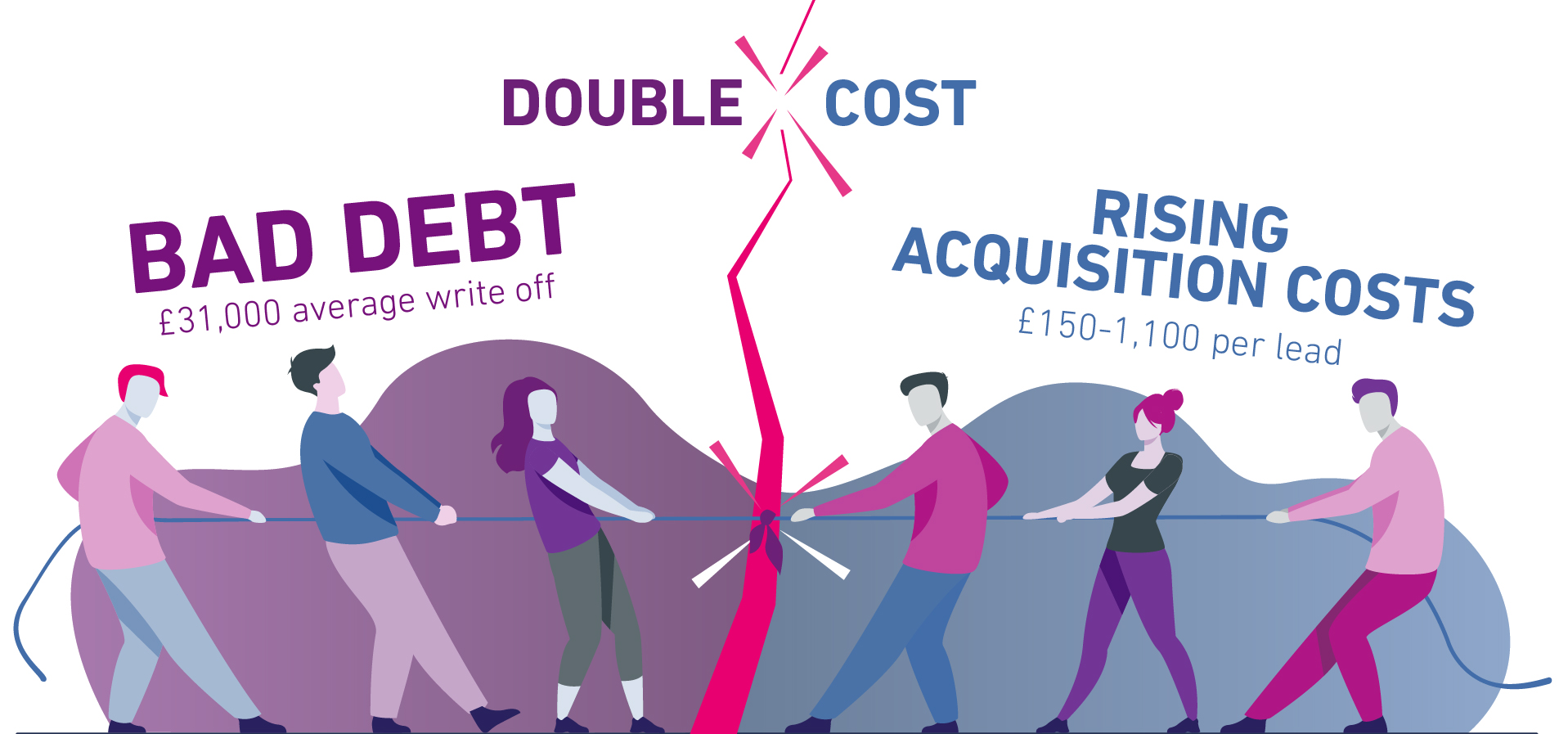
SMEs are spending more to find and convert prospects at the same time as late payment and bad debt are putting greater pressure on cash flow. The risk comes when those two costs meet: you can invest heavily in acquiring a customer, only to discover later that they cannot, or will not, pay on time.
To thrive you must understand how to assess that risk earlier, target stronger prospects and protect more of the value you spend time and money creating.
But, by arming yourself with the right debt insight and lead sourcing strategy, you can protect your cash flow and safeguard your company’s future.
From targeting ideal-fit prospects upfront to checking the creditworthiness of new customers before onboarding, our SME-focused guide will help you create and navigate a gameplan for both protection and growth.
“SMEs face a costly double burden: they spend more to win new customers, and lose more when those customers don’t pay. The businesses that grow profitably are those that treat credit risk as part of their go-to-market strategy, not an afterthought.”
Steven Marriot, Senior Product Manager, Experian
Late payment turns revenue into cash-flow risk
A sale only strengthens your business when the money arrives.
Late payments affect 1.5 million businesses and cost the UK economy over £11 billion a year. For SMEs, the impact can extend far beyond an overdue invoice. Unpaid bills can restrict working capital, delay investment and leave businesses funding day-to-day operations while waiting for money they have already earned.
Nearly a fifth of UK SMEs in a 2016 study had written off entirely. UK SMEs have written off an average of £31,000 in unpaid invoices and 38 SMEs close every day.
The UK government is trying to combat this and has recently announced plans for the G7’s toughest late-payment measures, with the Small Business Commissioner now able to impose multi-million-pound fines on persistent offenders. The changes will also include a new 60-day cap payment term and mandatory interest on late payments.
The real cost of B2B customer acquisition
Lead generation is becoming more expensive. However, the bigger issue for SMEs is what you receive for that investment.
Poor targeting means paying to reach businesses that are unlikely to buy, unlikely to be profitable or potentially unable to pay. That waste can appear throughout the acquisition journey: higher media costs, more sales time and ultimately a higher customer acquisition cost.
With qualified B2B leads costing from £150 to more than £1,100 in some cases[1], SMEs need to look beyond lead volume and ask a more useful question: which prospects are worth acquiring?
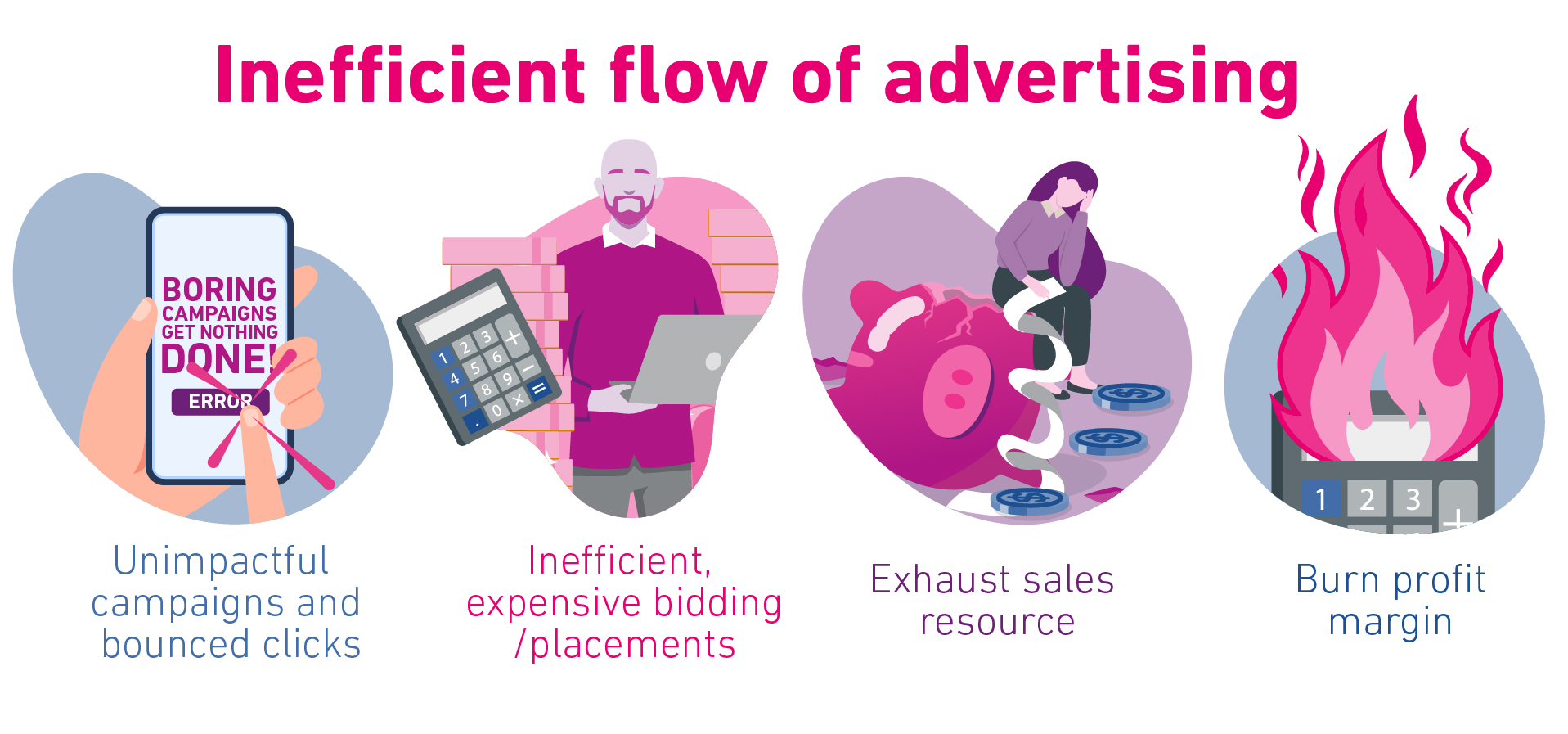
In response, SMEs are shifting away from cheap, spammy outreach in favour of expensive, highly-targeted campaigns.
Great for acquiring high-quality leads, but terrible for your bank balance.
So how do you cut these costs while still reaching those high-value prospects?
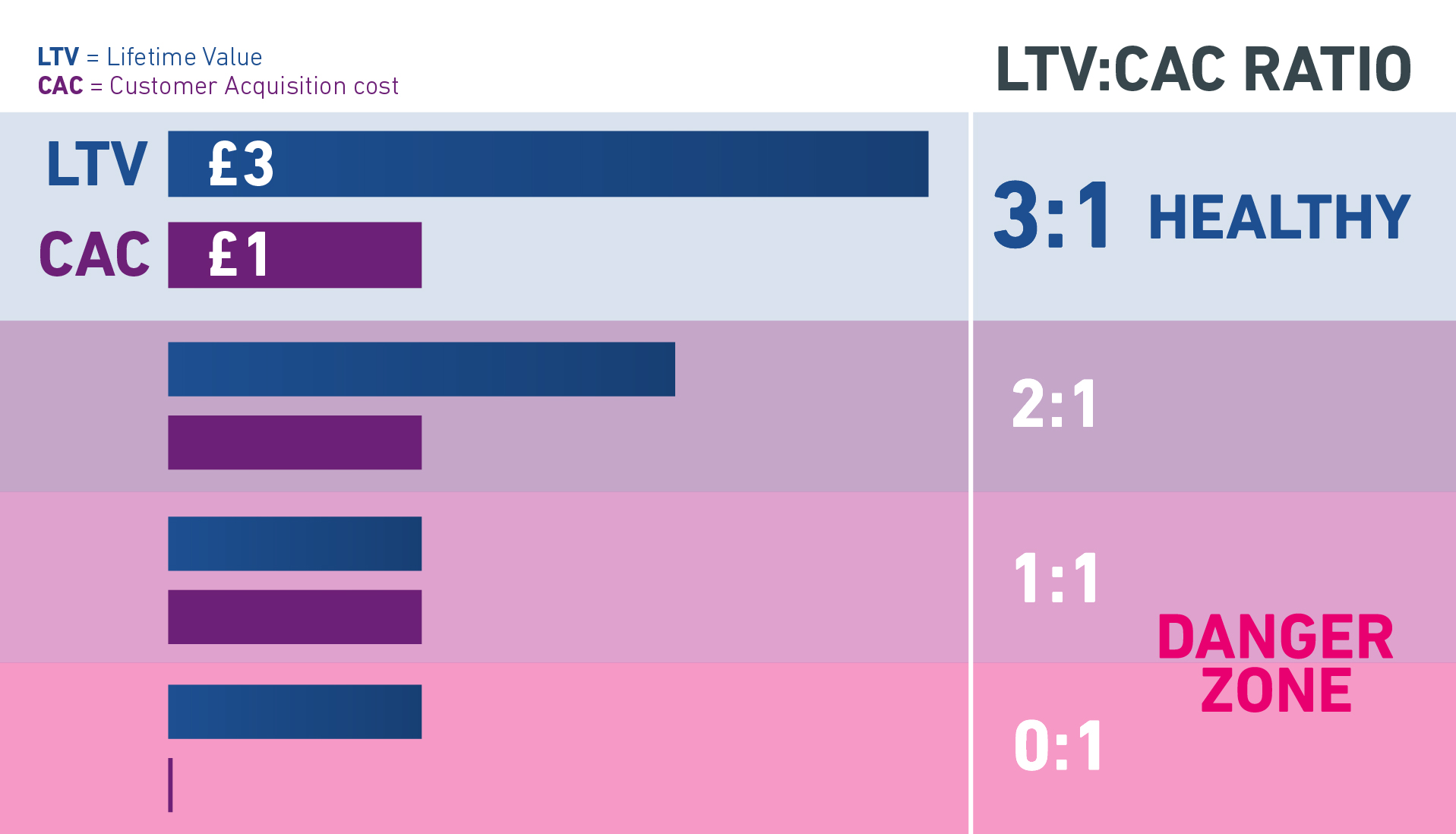
A typical benchmark health LTV:CAC is 3:1 – anything below that can start destroying value, although this will vary by business and sector.
The difference between CPL and CAC
CPL tells you the cost of interest. CAC tells you the cost of a customer.
- Cost per lead (CPL) measures how much you spend generating an enquiry or contact.
- Customer acquisition cost (CAC) measures how much you spend turning prospects into paying customers, including marketing and sales costs.
A low CPL can therefore be misleading. Cheap leads create little value if few convert, or if the customers you acquire ultimately pay late or default.
When acquisition cost and credit risk collide
Acquisition cost and credit risk are often managed separately. For an SME, they affect the same outcome: the value of each new customer.
Imagine spending £500 acquiring a customer. You then deliver the product or service and issue an invoice. If that customer pays late, you may have to fund the gap yourself. If they fail to pay, you lose the revenue while the £500 acquisition cost has already been spent. You must then generate additional profitable sales simply to recover that loss.
That is why customer qualification should consider two questions before significant time and budget are committed:
- Is this business likely to become a valuable customer?
- Is this business likely to pay?
Bringing commercial fit and business credit score together helps SMEs make better decisions about who to target, who to trade with and what terms to offer.
How to reduce the risk: three steps for SMEs
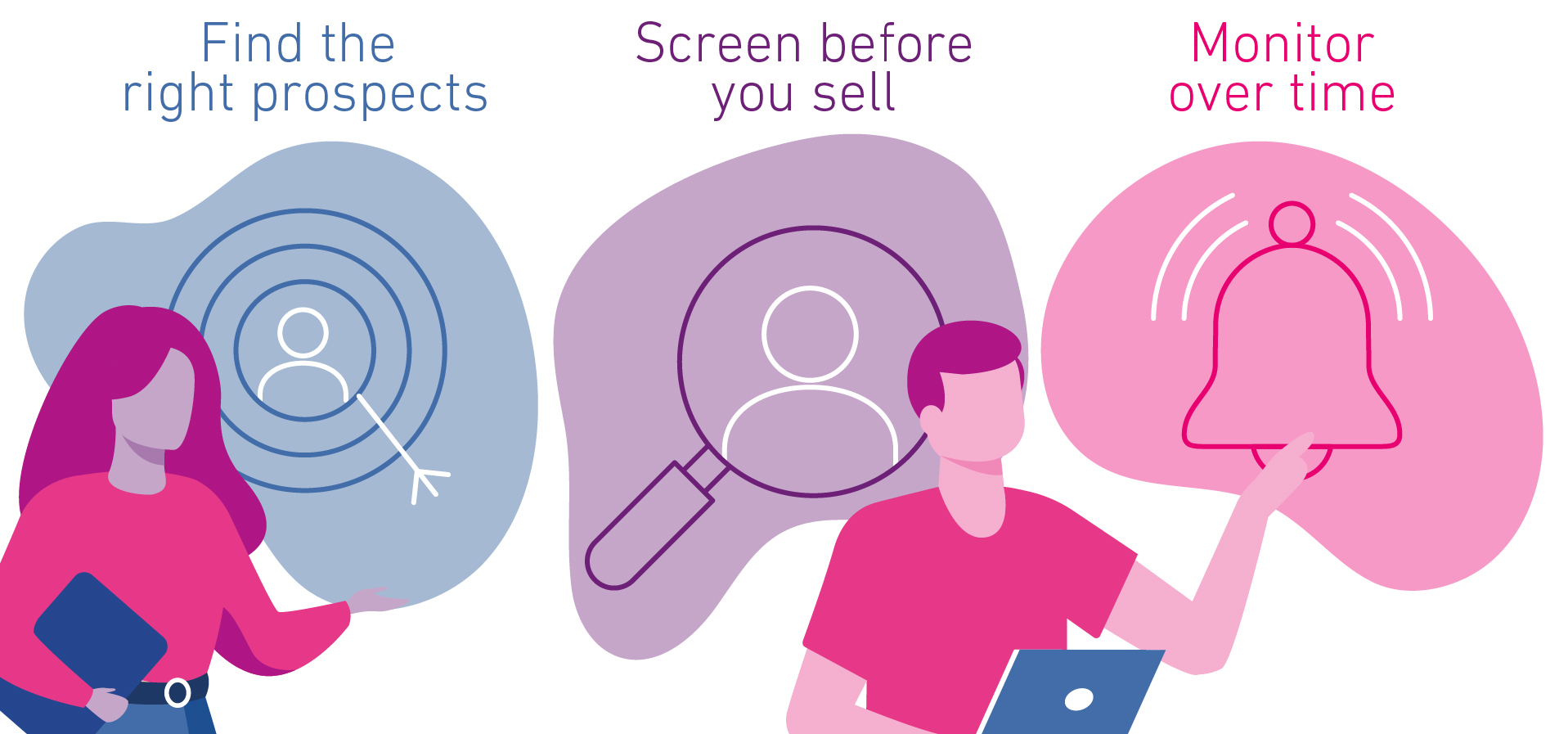
You cannot eliminate customer risk, but you can assess it earlier. Build three checks into your customer journey: target, check and monitor.
To help protect your business from this financial risk, here are three essential steps:
1. Target businesses that fit your commercial and risk criteria
Define your ideal customer using characteristics such as sector, business size, turnover and growth stage. Then you can go further to add financial and credit information to identify businesses that match your commercial criteria, without introducing unnecessary risk.
Experian’s Business Prospect Profile lets SMEs search 5 million UK business using business and financial data helping you focus acquisition spend on stronger prospects.
2. Screen before you trade with credit checks
Finding a good prospect does not tell you whether they are likely to pay. Before extending credit or committing significant resource, check the company’s credit score, financial position and previous payment behaviour.
Experian Business Credit Reports provide an in-depth view of a UK company’s credit profile, including payment information, financial health and its Experian Commercial Delphi Score. You can use that information to decide whether to trade, adjust credit limits or change payment terms.
3. Monitor credit risk over time
Credit risk constantly fluctuates, and a business that was financially healthy during onboarding isn’t guaranteed to stay that way. This makes continuous monitoring a must.
By setting up ongoing credit monitoring, you can get automatic alerts to changes in a customer’s credit profile, helping you identify emerging risks and receive a warning to take appropriate action. This gives you the flexibility to adapt payment terms and protect your cash flow before any minor issues have the chance to spiral into unmanageable bad debt.
How Experian can help
Business Prospect Profile gives you access to premium data that will help you reach the right SMEs before you waste budget on bad-fit leads.
Access to the most trusted live, trading and marketable businesses and contacts drawn from our overall BusinessView Universe, containing 15 million people at over 5 million live businesses in the UK.
- Simplify your searches through natural language and intuitive AI.
- Filter potential customers by sector, size, turnover, and credit health.
- Instantly download lists of potential customers to get campaigns up and running quickly.
- Clean up your existing data and add missing contact details.
- Easily connect search results and prospects with popular CRMs at the touch of a button.
- Keep track of costs through flexible pricing and credits.
Experian business credit reports help you identify financially stable, commercially valuable customers sooner. Reduce exposure to bad debt, avoid wasting sales effort on high-risk prospects, and give your teams trusted insight to make faster, more confident growth decisions.
[1] ProInteractive / Sopro B2B Cost Per Lead Benchmarks 2025–2026
Further reading

What is an acid ratio?
As a business owner, you must evaluate potential risks before making major financial decisions - this is where an acid ratio helps. Read our guide.

Sales are up. So why is cash flow still tight?
Sales are growing but cash still feels tight? Learn why profitable businesses struggle with cash flow, the early warning signs to watch for, and practical ways to regain control.

Redefining audience intelligence: can AI really deliver on its promise?
AI is reshaping audience intelligence for UK marketers, raising critical questions around trust, data quality, identity and human oversight in decision‑making.

What do SMEs need to know about AI in 2026?
Learn what SMEs need to know about AI in 2026, from practical use cases and productivity gains to governance, data quality, and adopting AI safely and effectively.

Transactional Segmentation
Discover how RFM transactional segmentation can make your marketing more effective. Learn to analyse Recency, Frequency, and Monetary value for targeted customer insights.

Life admin as a workplace benefit: How supporting your employees grows your business
The latest research from Great Place To Work reveals why workplaces that support everyday life admin see higher performance and lower stress.

Cyber Monday is the new Black Friday
Cyber Monday is overtaking Black Friday in UK retail. Discover key data trends, validation insights, and how Experian helps businesses prepare for peak shopping periods with accurate customer data.

How to get the best from your marketing budget
A marketing budget simply sets out all the money you plan to spend on marketing activity. Our guide aims to help you successfully allocate your marketing spend, whilst having the flexibility to react and respond to changing circumstances.

Optimise your campaigns this Golden Quarter
As the UK gears up for the Christmas shopping frenzy, brands and agencies are braced for key events. Find out how to enhance your marketing strategies.