
Summary
- Credit checks can help SMEs make more confident decisions before taking on financial exposure, such as offering payment terms, increasing order limits or renewing contracts.
- Key triggers include onboarding new customers, changes in payment behaviour, larger orders, supplier agreements, strategic partnerships and changing market conditions.
- A company credit check can bring together indicators such as credit score, payment behaviour, CCJs, insolvency indicators and filing history.
- The main takeaway is to use credit checks at clear decision points to help protect cash flow, manage risk and keep good opportunities moving.
Most SMEs do not need a full risk team to make better credit decisions. They need to know when a quick check is worth doing.
The right moment is usually just before trust turns into exposure. Before you offer payment terms, increase an order limit, renew a contract or rely on another business to keep work moving, checking a company’s credit score can give you a clearer view of the risk involved.
Used at the right time, a company credit check can help you protect cash flow, avoid preventable surprises and make commercial decisions with more confidence.
Why timing matters
A company credit check is most useful before a decision becomes difficult to reverse. Used early, it can help you decide whether to proceed, change payment terms, reduce exposure, request upfront payment or monitor the relationship more closely.
It is a practical part of financial due diligence for SMEs that need to protect cash flow without slowing growth.
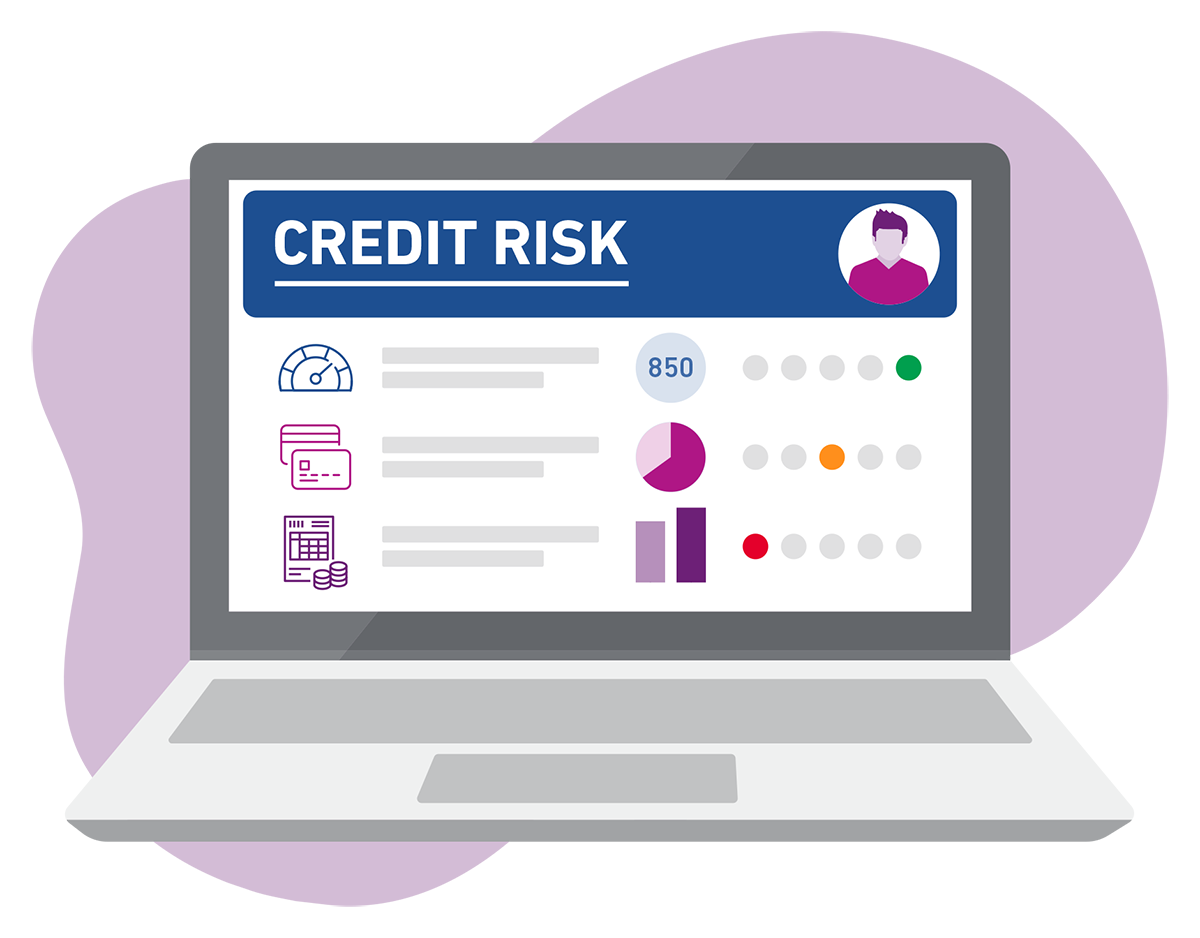
10 triggers for checking another company’s credit score
1. You are onboarding a new customer
Before opening an account, check whether the company appears financially stable and whether its payment behaviour supports the level of trust you are considering.
2. A customer asks for payment terms
If you are moving from upfront payment to 30, 60 or 90-day terms, a credit check can help you judge whether the risk is proportionate.
3. An order is larger than usual
A bigger order can be good news, but it can also increase exposure if the customer pays late or defaults. Check the company before increasing limits.
4. A customer wants longer to pay
Requests for extended terms may be reasonable, but they can also signal cash flow pressure. Review the company’s credit profile before agreeing.
5. Payment behaviour changes
If a previously reliable customer starts paying late, making part payments or avoiding contact, check whether wider financial risk indicators have changed.
6. You are renewing a contract
A renewal is a useful point to review the company’s financial position, especially if the contract is high value or operationally important.
7. You are signing a supplier agreement
Supplier financial difficulty can affect delivery, service continuity and customer commitments. Check key suppliers before committing to long-term agreements.
8. You are becoming dependent on one business
If one customer, supplier or partner becomes central to your revenue or operations, their financial health matters more. Regular checks can help you avoid hidden concentration risk.
9. You are considering a strategic partnership
Before entering a reseller, distribution, joint delivery or referral relationship, check that the business has a credit profile that supports the commitment.
10. Market conditions have changed
If a sector is under pressure, costs are rising or customer demand is shifting, existing relationships may need a fresh review. A check can show whether risk has moved since your last decision.
What to review in a company credit check
A company credit check can help bring key indicators together in one place, including:

Business credit score

Payment behaviour

CCJs

Insolvency-related indicators

Filing history

Company and director details
The aim is to use that information to make a better commercial decision, not simply to collect data.
Do not forget your own credit profile
Other businesses may also check your company before offering terms, signing contracts or considering finance arrangements. Reviewing your own business credit profile can help you see what lenders, suppliers and partners may be seeing.
The takeaway
Credit checks are most effective when they are linked to clear decision points. If a relationship creates financial exposure, affects cash flow, or could disrupt your ability to serve customers, checking the company’s credit score can give you clearer evidence before you commit.
That helps you keep good opportunities moving while managing risk with more confidence.
How can we help you
Before your next credit decision
Check the company’s credit profile before you offer payment terms, increase an order limit, renew a contract or commit to a key supplier.
Check another company's credit score
Review another company’s credit profile before offering payment terms, increasing an order limit, renewing a contract or relying on a key supplier.
Take a look now