
Blog
Data Decoded London 2026: Our biggest takeaways
The most important lessons on data foundations, automation and growth

23 April 2026
read
Data Decoded London is one of the UK’s leading data and AI festivals. It unites data professionals and business leaders to share ideas, learn from each other, and discuss an exciting future. Over two days, the event focused on practical examples and real experiences, enabling organisations of every size to drive growth, improve efficiency, and fuel innovation.
This year’s agenda spanned a wide range of topics, from Data Engineering and Data Analytics to Agentic AI, Generative AI and LLMs, alongside sessions focused on Data Culture and Leadership and organisational transformation. From practical insights to big‑picture strategy, the sessions offered something for every stage of the data journey.
With some of the UK’s brightest data professionals, engineers, and business leaders in attendance, Data Decoded London 2026 brought the future of AI, analytics, and data engineering sharply into focus.
Let’s recap some of the standout takeaways from the event.
Entering the era of Agentic AI
One of the strongest themes to emerge from the conference was a clear shift in how organisations are using AI. The industry has moved beyond experimentation and proof of concepts and into execution. We are now entering the era of agentic AI – systems that don’t just generate insights, but can reason, plan, and act autonomously.
The takeaway was clear: organisations that fail to adapt risk being left behind as data and AI operating models rapidly evolve. A recurring challenge discussed throughout the event was the growing mismatch between demand and capability. Businesses now operate at machine scale, with rising expectations for real time insights, automation, and faster decision making. Yet many data teams are still constrained by human scale processes, manual pipelines, and growing backlogs.
Agentic AI was positioned as a critical shift. Rather than simply consuming data, these systems actively support and accelerate data work itself, helping teams build, analyse, govern, and deliver at scale.
This has significant implications across organisations:
- For data leaders, agentic AI presents an opportunity to modernise data foundations, reduce bottlenecks, and scale delivery safely and responsibly.
- For engineers and analysts, it offers a way to dramatically amplify productivity, automating repetitive tasks and freeing up time for higher value work.
- For the wider business, it opens the door to true self service data and faster access to insights that were previously out of reach.
The broader message resonated throughout the room: AI and data are no longer separate conversations. Each depends on the other and tackling machine scale problems requires machine scale solutions. As Data Decoded London demonstrated, the shift to agentic AI isn’t a distant future concept, it’s already shaping how modern data teams operate today.
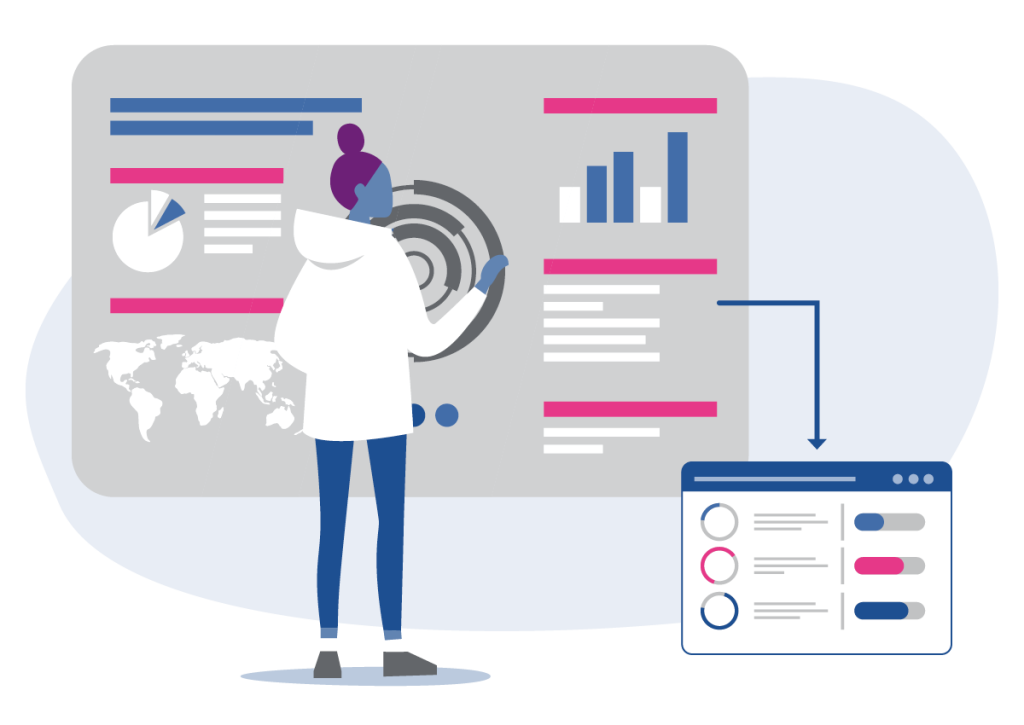
AI thrives on data, and data thrives with AI
The future of AI is inseparable from the future of data. The industry is moving into a new chapter, where progress is driven not by larger teams or an ever expanding toolset, but by embedding intelligence directly into how data is built, managed, and used.
Rather than layering AI on top of existing processes, forward thinking organisations are re architecting their data stacks to be AI native from the ground up. This shift moves intelligence closer to the data itself, enabling faster decisions, smarter automation, and more resilient data systems.
Throughout the event, there was a shared belief that agentic AI will be the true differentiator. By introducing autonomy and decision making into the heart of the data platform, organisations can move beyond incremental optimisation and unlock entirely new levels of speed, scale, and impact.
AI doesn’t just depend on high quality data, it actively improves how that data is created, managed, and used. And in return, modern data foundations enable AI systems to operate with greater trust, context, and effectiveness. Together, they create a powerful feedback loop that is redefining what high performing data teams and data driven businesses look like.
Data quality comes first
As generative AI adoption accelerates, attention has firmly returned to the foundations beneath it. Organisations are recognising that AI is only as effective as the data it relies on. Poorly structured, outdated, or unreliable data quickly undermines accuracy and relevance. As AI increasingly supports high impact decision making, the risks of weak data foundations grow significantly.
During Data Decoded London, organisations shared how renewed investment in data quality capabilities is helping them minimise operational and regulatory risk, safeguard brand trust, and avoid expensive AI failures. The takeaway was clear: meaningful AI success doesn’t start with sophisticated models: it starts with dependable data. Clean, governed, and trusted data enables better decisions, more reliable automation, and confidence in every AI driven result.
As we continue to support organisations through their data transformation efforts, our focus remains on helping them establish the foundations AI depends on. Today, data is more than a competitive asset; it’s a responsibility.
And that’s where Experian’s Aperture Data Studio plays a vital role.
How Aperture Data Studio can help
Aperture Data Studio empowers organisations to take control of their data by centralising metadata management and enhancing data quality. With powerful profiling, validation, and enrichment capabilities, it provides a trusted foundation for AI and analytics. By aligning data governance with business strategy, it enables teams to unlock insights, drive collaboration, and demonstrate measurable value.
Key Benefits:
- Centralised metadata management to improve data discovery and governance
- Clear data understanding with visibility into structure, lineage, and meaning
- Advanced data profiling using 70+ metadata attributes to uncover issues
- Improved data quality through cleansing and enrichment
- Measurable business impact linking data quality to financial outcomes
- Aligned governance and collaboration across technical and business teams
Turn your data into an asset.
Our expert team are on hand to help you reduce risk and unlock the true value of your data.
Get in touchFurther reading

Experian Affordability Update: Autumn 2026
Explore our affordability update for the UK, with detailed insights about specific customer segments. Stay informed and make better financial decisions.

How to spot when a screening tool will not meet safeguarding requirements
Learn five warning signs a screening tool may create compliance, governance and data protection risks, plus what to look for instead.
Monthly Credit Index Report: August 2026
How are businesses adapting to the ever-evolving credit risk landscape in the UK? Our latest report dives into Experian's view on the current trends and helps you make better commercial lending decisions.

Are you actually reaching the right people?
Discover the signs your B2B targeting data is out of date and how better data quality can improve email deliverability, engagement, and pipeline results.

Sales are up. So why is cash flow still tight?
Sales are growing but cash still feels tight? Learn why profitable businesses struggle with cash flow, the early warning signs to watch for, and practical ways to regain control.

How lenders win on price comparison websites
Explore how real‑time optimisation, data‑driven decisioning and self‑serve strategy tools help lenders compete and maximise profitability on PCWs

Credit risk in commercial finance
Discover how to assess and manage commercial credit risk effectively. Learn best practices, risk modelling, and strategies to protect your business and enable growth.

Commercial lending opportunities for 2026
Will 2026 be the year of opportunity for commercial lending? Here are the key opportunities to help lenders plan their strategy.

A guide to background checks in telcos and utilities
Protect your brand and reduce fraud with smart background checks tailored for telecoms and utilities. Stay compliant and hire with confidence.