Yield optimisation strategies for publishers in a cookieless worldHelping you to maximise both revenue and user satisfaction
Guide

Google have once again moved back their plans to join Apple and Firefox to eliminate third-party cookies. Whatever the eventual outcome, it’s key that publishers understand how to optimise ad yield without third-party cookie data to regain control and ensure their business remains profitable.
The right yield optimisation ensures that each piece of ad inventory isn’t just filled, but filled wisely, to both elevate revenue and enhance user experience. Understanding and implementing advanced yield optimisation techniques is more than a tactical choice; it’s key to sustainable growth in the ever-evolving digital landscape.
Understanding yield optimisation
Yield optimisation is simply the process of trying to get the most value possible out of your digital ad space – it makes sure you’re always selling your inventory for the highest price.
By implementing the right strategies for your inventory, you can maximise STR (sell-through rate) and revenue. A firm grasp of yield optimisation strategies helps publishers navigate the intricate and competitive digital advertising landscape.
Yield optimisation is not just about maximising revenue; it’s about creating a harmonious balance between profitability and user satisfaction.
Debbie Oates, Director of Customer Engagement, Experian Marketing Services
The cornerstone of effective yield optimisation is to sell your ad inventory at the highest possible price without compromising the experience of your website users. This balance is vital for sustainable business operations and long-term growth.
Already familiar with yield optimisation? Find out how we can help you with your strategy.
What are the key considerations for publishers when implementing yield optimisation strategies?
To effectively optimise ad yield, publishers need to consider several factors:
Technical optimisation
- Ad inventory considerations: Everything from the number of ads you have on a page, to the types of ads, to their positioning, can impact your yield as a publisher. For example, placing higher CPM (cost per thousand) ads in prime locations like the top of the page can optimise visibility and profitability.
- Trialling native ads: Native advertising integrates seamlessly with the editorial content, providing a less intrusive ad experience that can command higher prices due to better user engagement.
- Page load speed: The probability of a user bouncing increases by 32%[1] when page load time increases from one second to three seconds. That means losing 320 users in every 1,000 if your website is slow. Be sure your website loads fast enough to keep users happy.
- Mobile optimisation: Almost half of web users[2] are on the mobile version of a website now. Making sure ads are effectively displayed and clickable on mobile devices is crucial as the market share continues to grow.
Targeting optimisation
- Audience targeting: Audience targeting is the process of segmenting your potential customer base into groups using different criteria. Audience targeting is a critical consideration for publishers. For effective optimisation and to meet the needs of advertisers, publishers need to be able to layer first, second and third-party data to identify and segment their audiences.
- Geo-targeting: Geo-targeting delivers content or advertisements to users based on their location. This can be determined through their identifiers like a user’s IP address. Advertisers are more likely to pay a premium for ad placements that are highly targeted and therefore, more likely to result in user engagement and conversions. For example, an online travel agent may wish to target those interested in last-minute trips to airport catchment areas, or vehicle manufacturers may want to target those living rurally with four-wheel drives.
Contextual targeting: Understanding the context in which users interact with content is crucial for optimising ad relevance and yield. For instance, a travel blog featuring articles about various destinations can boost ad targeting by analysing when and how users engage with specific content.
Suppose a user reads an article titled “The Best Winter Escapes in Europe.” In this case, the publisher might strategically place ads for winter travel deals from travel agencies or promotions for cold-weather clothing from outdoor apparel brands.
This helps guarantee that the ads are not only contextually relevant to the article but also aligned with the user’s current interests. Such targeted advertising increases the likelihood of engagement, improves the user experience, and consequently, boosts ad revenue potential.
By integrating this understanding of content context, publishers can deliver ads that feel less intrusive and more like a natural part of the user’s exploration, thereby maintaining high traffic volumes and optimising overall yield.
- Frequency capping: This limits the number of times a specific ad is shown to the same user during a given period. It helps prevent ad fatigue, which occurs when a user sees the same ad so many times that it becomes annoying or less effective. Frequency capping works because it balances visibility and effectiveness of ads with a positive user experience, ultimately leading to a more successful advertising campaign.
Cost efficiency
- Dynamic pricing: A strategy where publishers adjust the prices of their ad inventory. For example in real-time when the current demand increases, or seasonally, such as at Christmas when D2C industries know that consumer spend is up. You can optimise revenue by capitalising on fluctuations in demand.
The industry is working hard to find solutions that assist with the above considerations and fill the gap left by the removal of third-party cookies. One popular route is identity resolution. As the digital advertising industry moves away from third-party cookies, the ability to track and understand consumer behaviour across multiple channels and devices becomes more challenging. This is where identity resolution providers play a critical role.
Identity resolution providers enable publishers to compliantly create a unified view of their audience without third-party cookies. With enriched data, publishers can continue assuring advertisers that their inventory is highly relevant even without third-party cookies. This increases the attractiveness of the ad space to advertisers seeking specific target demographics.
Programmatic techniques
Programmatic advertising: This enables real-time bidding, where ad inventory is sold through automated auctions using real-time data. It allows for the precise matching of ads to the users most likely to be interested in them, ensuring that publishers maximise their ad revenue.
A critical aspect of successful programmatic advertising is the use of strong, consolidated user data, like those publishers are currently getting from third-party cookies. This way, publishers can set higher bids knowing that their ad space is as attractive as possible to advertisers.
- Utilisation of header bidding techniques: Header bidding is an advanced programmatic technique that allows publishers to offer their ad inventory to several ad exchanges simultaneously before making calls to their ad servers. The increased number of bidders and simultaneous bidding increases the probability of ad slots being filled, maximising the yield from available inventory.
By adopting these advanced strategies, publishers remain competitive and capable of delivering exceptional value to both their users and advertisers, no matter the technological shifts in the advertising landscape.
What are the current challenges publishers are facing?
Publishers must navigate complexities with insight and innovation to remain competitive and effective. Here’s a deeper look into the hurdles they’re currently facing:
Maintaining ad revenue: Advertising is one of the biggest revenue streams for publishers, and as the rich data offered by third-party cookies is lost, a core challenge is continuing to make ads as appealing as possible at scale. Because of this, publishers are anticipating losses in ad revenue.
Rich user insights can be obtained from login data, if that’s something your website offers. However, the requirement to log in can sometimes disengage users who prefer less intrusive access.
Finding a solution that doesn’t impact user experience is key to ensuring the bottom-line health of your website.
- Ad quantity impact: Too many ads on a page degrades a user’s experience. That can mean that, despite running a higher density of ads, you might see a lower yield per ad as user engagement drops off. Conversely, fewer, relevant, well-placed ads may attain a higher yield. This delicate balance is key to effective yield optimisation.
- Ad engagement relevance: Ensuring that only relevant ads appear to users is crucial for a high ad yield – such as showing airline ads to users researching holidays on a travel research platform.
- User experience and traffic: Maintaining high traffic volume is essential for effective yield optimisation. However, as ad revenue drops, more publishers are turning to solutions like higher ad frequency, paywalls and mandatory logins to bolster revenue and gather first-party user data. Consequently, this can actually harm revenue by negatively impacting user experience which can cause dissatisfaction, reduced engagement and a loss of traffic. Publishers need to innovate continually to find ways to keep their platforms inviting and open so that ads don’t detract from the content.
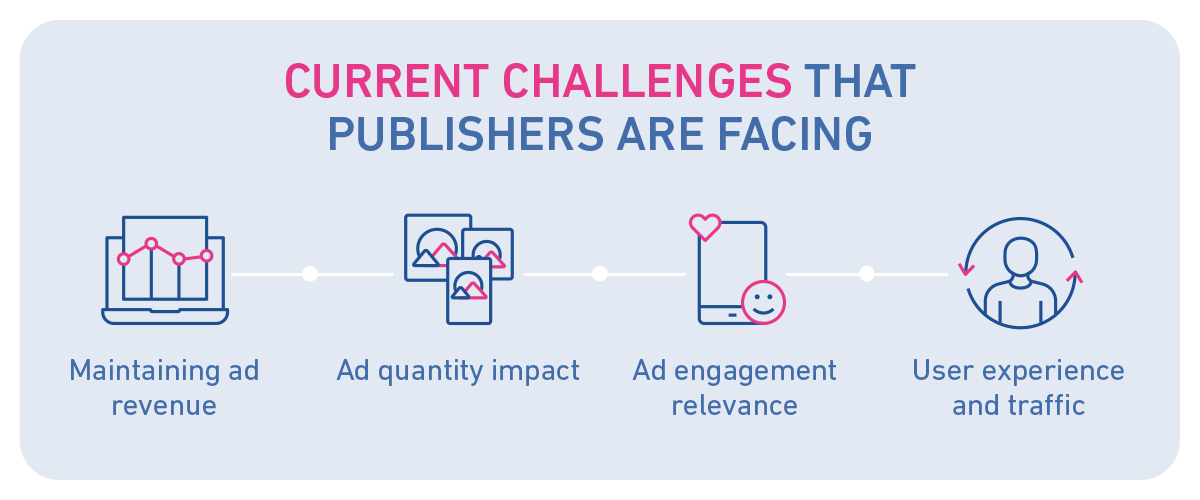
The ecosystem of advertising yield is an interconnecting web – with all of these challenges having key similarities: the need for publishers to balance revenue with user experience. By adopting innovative technologies and maintaining a user-centric approach, publishers not only secure their growth, but pave the way for a more user-friendly digital publishing environment.
We’re helping publishers navigate this new landscape with advanced data solutions that respect user privacy while ensuring ads are as targeted and effective as ever.
Debbie Oates, Director of Customer Engagement, Experian Marketing Services
How can data enrichment enable better yield optimisation in a cookieless world?
To effectively balance ad revenue, user experience and content quality in a cookieless future, publishers need to equip themselves with the right solutions that enhance ad targeting at scale, without relying on traditional cookies.
Our Consumer Sync solution is at the forefront of these technologies, enriching a variety of first-party signals such as IP addresses with a broader dataset to create a complete profile of a user or household. And in tune with the market needs, we’ve designed our solution with scalability and privacy at its very core.
Consumer Sync was created so that publishers like you are equipped with the right capabilities and datasets to vastly improve the value of your ad space, and the challenges posed by the deprecation of cookies will not hinder revenue growth and impact the all-important user experience.
How we can help you to enhance ad yield
Built for publishers, Consumer Sync optimises advertising in the following ways:
- Insight gain: Enhance your subscriber and unauthenticated traffic to build enhanced profiles using a broad range of Experian insights to provide advertisers more precise targeting leading to higher-value CPMs.
- Build curated audiences: By enriching your data, with attributes such as demographics, purchase behaviour, media and lifestyle preferences you can build highly custom audiences that will increase the attractiveness and effectiveness of your audiences beyond first-party signals.
- Enhanced scale and frequency measures by greater connectivity: Connectivity helps publishers connect with larger audiences more effectively. This enhanced connectivity not only extends the reach within a household but also across devices, ensuring that ads are served with an understanding of the user’s holistic media consumption behaviours. By identifying users across multiple channels and devices, Consumer Sync helps publishers control the frequency of ad exposure so users are not overwhelmed by repetitive ads.
- Off-site audience extension: Using our linkage capability to append new identifiers such as Unified IDs, connected TV (CTV) identifiers, and Mobile IDs (MAIDs) to your existing data, allowing you to expand the reach of your audiences across the open web and CTV.
- Demonstrate Success: By connecting campaign exposure (not only clicks, but views) with offline or online activities (such as web visits, sign-ups, and conversions) supplied by the advertisers themselves or privacy-compliant third-party data sets, you can prove the value of your inventory and secure ongoing budgets.
- Improved frequency management across devices: By identifying users across multiple channels and devices, Consumer Sync helps publishers control the frequency of ad exposure so users are not overwhelmed by repetitive ads.
Ultimately, our solutions empower publishers to make their users more addressable. This is crucial not only for maintaining revenue streams in a cookieless world but also for building a foundation for growth as digital ecosystems continue to evolve.
As digital advertising and online legislation develops, so must the compliancy, revenue and yield strategies employed by publishers to stay relevant and profitable. Through effective yield optimisation strategies and innovative data solutions like Consumer Sync, you can navigate the complexities of modern advertising. This safeguards your revenue streams without compromising user experience for a sustainable future in digital publishing.
Want to know more?
By using effective yield optimisation techniques and cutting-edge data solutions such as Consumer Sync, you can effectively maintain and grow your ad revenue in a cookieless world. Find out more.
Related products
[1] Website Load Time Statistics: Why Speed Matters, Website Builder Expert
[2] Desktop vs Mobile vs Tablet Market Share United Kingdom, StatCounter